Friday, June 29, 2018


Tuesday, June 26, 2018
Ikigai
June 26th, 2018
Ikigai
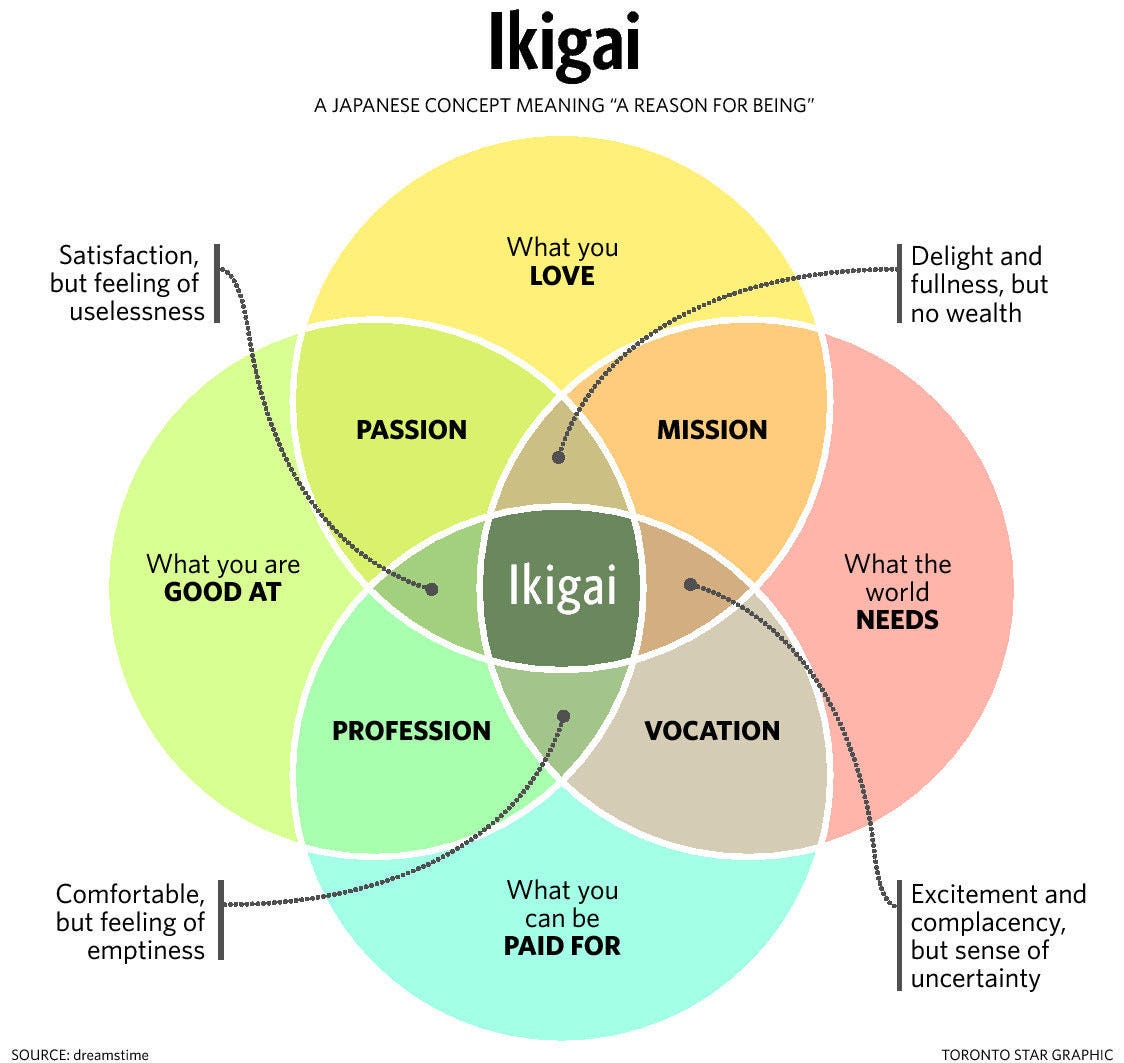
The English translation of the Japanese word "ikigai" is something along the lines of "the happiness of being busy" or "thing that you live for." Most commonly it is translated to one's "reason for being."
Yet - like a lot of words that come from other languages - the heart of what ikigai means is lost in translation.
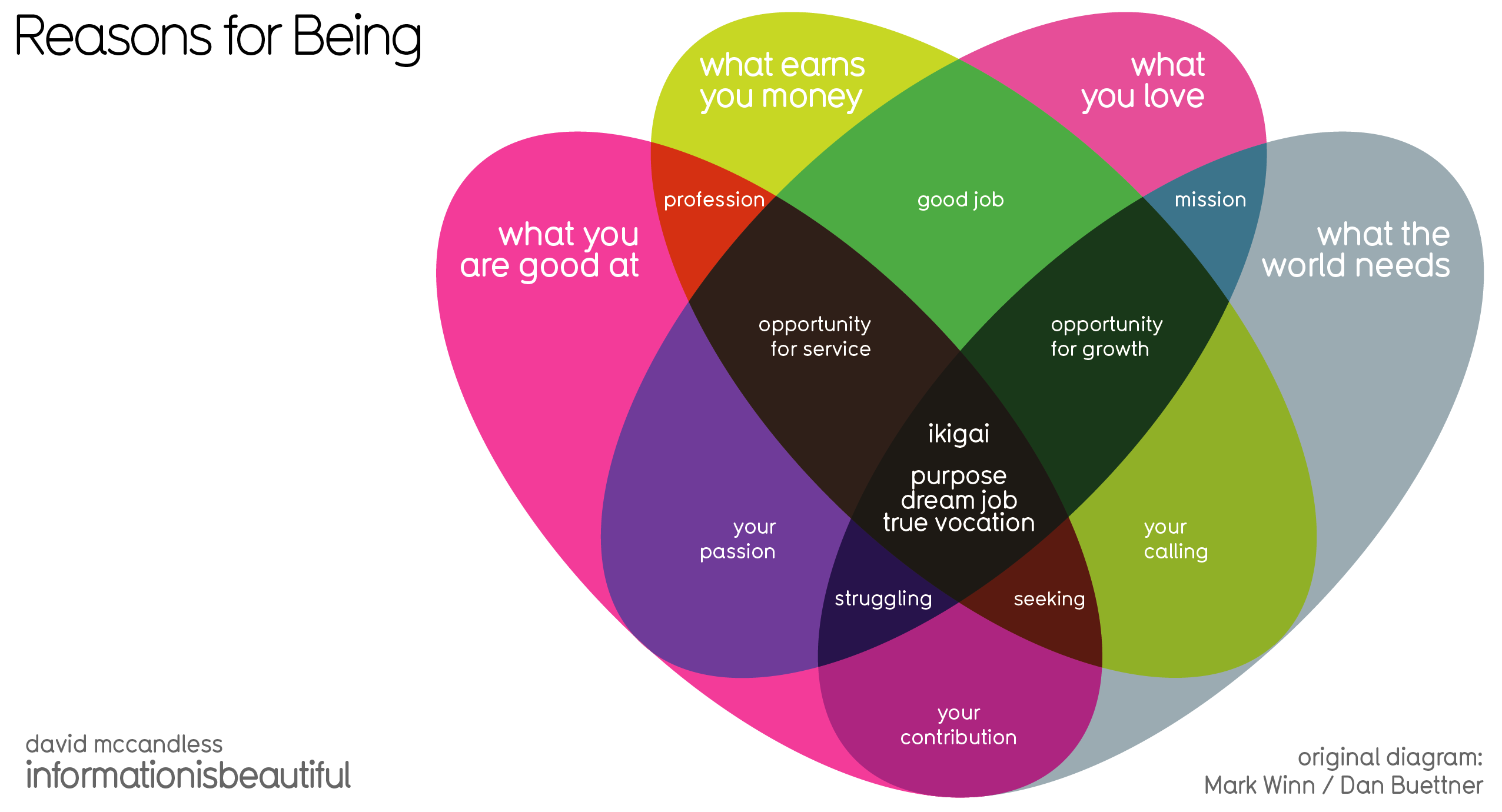
To the Japanese, ikigai is not simply one thing, but the intersection of many things that combine into one integrated whole:
- What you LOVE
- What you are GOOD AT
- What you can be PAID FOR
- What the WORLD NEEDS
As you can imagine, evaluating these things can be useful in choosing a career path.
However, this "meeting of roads" can also be used in terms when you feel stuck in your life.
The way I interpret it, ikigai is not so much about how to make ends meed or even about how to get rich or famous or successful.
Rather, it is about reorienting and realigning your life with your values and your passions as a way to tap into your purpose.
Ikigai
The English translation of the Japanese word "ikigai" is something along the lines of "the happiness of being busy" or "thing that you live for." Most commonly it is translated to one's "reason for being."
Yet - like a lot of words that come from other languages - the heart of what ikigai means is lost in translation.
To the Japanese, ikigai is not simply one thing, but the intersection of many things that combine into one integrated whole:
- What you LOVE
- What you are GOOD AT
- What you can be PAID FOR
- What the WORLD NEEDS
As you can imagine, evaluating these things can be useful in choosing a career path.
However, this "meeting of roads" can also be used in terms when you feel stuck in your life.
The way I interpret it, ikigai is not so much about how to make ends meed or even about how to get rich or famous or successful.
Rather, it is about reorienting and realigning your life with your values and your passions as a way to tap into your purpose.
Friday, June 22, 2018
Movement is the Map
June 22nd, 2018
Movement is the Map
When you find yourself feeling lost, keep moving.
You will keep feeling lost if you stay where you are. Simply hoping that things will change will keep you feeling lost.
If you take positive "steps" forward, you will either find yourself "out of the woods" or you'll find yourself still feeling lost (which was the status quo anyway).
Movement is the Map
When you find yourself feeling lost, keep moving.
You will keep feeling lost if you stay where you are. Simply hoping that things will change will keep you feeling lost.
If you take positive "steps" forward, you will either find yourself "out of the woods" or you'll find yourself still feeling lost (which was the status quo anyway).
Tuesday, June 19, 2018
Strawberry Picking
June 19th, 2018
Strawberry Picking
When I buy strawberries from the farmer's market, I meticulously inspect quart after quart, looking for dimples, deformities, and discolorations.
The reality is that this exercise is rather futile. After all, about 90% of the strawberries in a quart cannot be seen and the top layer is not an indicator of what lies underneath.
Yet, I obsess about this poor indicator rather than asking myself the more likely indicator of quality: whether the farmer is trustworthy.
A lot of the decisions we make in our lives are made in this way - with imperfect or incomplete information.
We make these decisions without knowing all the details beforehand. Even when we know our data is incomplete, we get a sense of satisfaction from scrutinizing and picking over the minutia of what we do know.
Just remember that when you are "seeing the top layer" you are not really learning anything. The best dressed job applicant won't necessarily make the best employee. Appearances can be deceiving.
As far as these sorts of decisions are concerned, experience trumps evaluation. Spend your time, your thoroughness, and your thoughtfulness wisely.
The "top layer" may really just be the "cream on the top" of a lot of regular milk.

Strawberry Picking
When I buy strawberries from the farmer's market, I meticulously inspect quart after quart, looking for dimples, deformities, and discolorations.
The reality is that this exercise is rather futile. After all, about 90% of the strawberries in a quart cannot be seen and the top layer is not an indicator of what lies underneath.
Yet, I obsess about this poor indicator rather than asking myself the more likely indicator of quality: whether the farmer is trustworthy.
A lot of the decisions we make in our lives are made in this way - with imperfect or incomplete information.
We make these decisions without knowing all the details beforehand. Even when we know our data is incomplete, we get a sense of satisfaction from scrutinizing and picking over the minutia of what we do know.
Just remember that when you are "seeing the top layer" you are not really learning anything. The best dressed job applicant won't necessarily make the best employee. Appearances can be deceiving.
As far as these sorts of decisions are concerned, experience trumps evaluation. Spend your time, your thoroughness, and your thoughtfulness wisely.
The "top layer" may really just be the "cream on the top" of a lot of regular milk.
Friday, June 15, 2018
The Underdog
June 15th, 2018
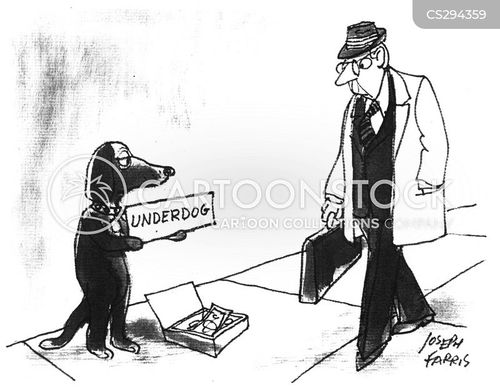
The Underdog
You might feel like quitting because you are so far behind.
You might feel like giving up because others are so far ahead of you.
Remember that quitting something can be a set-up for more disappointment and feelings of inadequacy: after all, giving up on something means that you have to start from scratch with the next thing.
Remember that the team that scores first is not always the team that wins.
The Underdog
You might feel like quitting because you are so far behind.
You might feel like giving up because others are so far ahead of you.
Remember that quitting something can be a set-up for more disappointment and feelings of inadequacy: after all, giving up on something means that you have to start from scratch with the next thing.
Remember that the team that scores first is not always the team that wins.
Tuesday, June 12, 2018
Heartache and Heartbreak
June 12th, 2018
Heartache and Heartbreak
Other's expectations and assumptions can lead to heartache.
Our own expectations and assumptions can lead to heartbreak.


Heartache and Heartbreak
Other's expectations and assumptions can lead to heartache.
Our own expectations and assumptions can lead to heartbreak.
Thursday, June 7, 2018
Selling Rat Poison To A Rat
June 7th, 2018
Selling Rat Poison To A Rat
I don't know where I first heard the rat poison adage - and I don't particularly care for it - but it does make a good point. Namely, that it is possible to make even the most unappealing of things appealing if you "market" or pitch it in the right way.
I recently came across a historical example of this.
Back in the 1700s, scurvy was a common and deadly fate for many sailors due to the lack of vitamin C in their diets (no access to fresh produce and no way to keep produce from spoiling on long ship voyages). Because of this, captain James Cook had the innovative idea to take fermented German cabbage (i.e. sauerkraut) with him on one of his voyages in order to ward off scurvy.
I personally love sauerkraut, but apparently Captain Cook knew that his men would find the cabbage to be unappetizing and unpalatable. Thus, he came up with the equally innovative plan to let the sailors know that only the captain and the officers would have the privilege of eating sauerkraut for the first 2 weeks of the journey.
Talk about milking the forbidden fruit tastes the sweetest idea!
Indeed, in modern day marketing jargon, one might say that Captain Cook engaged in demand creation.
As I mentioned in the beginning of this post: it is possible to make even the most unappealing of things appealing if you "market" or pitch it in the right way. You can make something unappealing or challenging more desirable to someone else, but don't forget that you can use this idea in your self-talk with yourself, too.



Selling Rat Poison To A Rat
I don't know where I first heard the rat poison adage - and I don't particularly care for it - but it does make a good point. Namely, that it is possible to make even the most unappealing of things appealing if you "market" or pitch it in the right way.
I recently came across a historical example of this.
Back in the 1700s, scurvy was a common and deadly fate for many sailors due to the lack of vitamin C in their diets (no access to fresh produce and no way to keep produce from spoiling on long ship voyages). Because of this, captain James Cook had the innovative idea to take fermented German cabbage (i.e. sauerkraut) with him on one of his voyages in order to ward off scurvy.
I personally love sauerkraut, but apparently Captain Cook knew that his men would find the cabbage to be unappetizing and unpalatable. Thus, he came up with the equally innovative plan to let the sailors know that only the captain and the officers would have the privilege of eating sauerkraut for the first 2 weeks of the journey.
Talk about milking the forbidden fruit tastes the sweetest idea!
Indeed, in modern day marketing jargon, one might say that Captain Cook engaged in demand creation.
As I mentioned in the beginning of this post: it is possible to make even the most unappealing of things appealing if you "market" or pitch it in the right way. You can make something unappealing or challenging more desirable to someone else, but don't forget that you can use this idea in your self-talk with yourself, too.
Tuesday, June 5, 2018
The Anxiety Paradox
June 5th, 2018
The Anxiety Paradox
Our assumptions about anxiety are backwards.
We feel that anxiety is a problem we must solve.
Anxiety is actually the attempt to problem solve
We feel that anxiety is something we must control.
Anxiety is actually the attempt to control.
Rather than trying to manage your anxiety, perhaps it is wiser to consider what it is your anxiety is managing.


The Anxiety Paradox
Our assumptions about anxiety are backwards.
We feel that anxiety is a problem we must solve.
Anxiety is actually the attempt to problem solve
We feel that anxiety is something we must control.
Anxiety is actually the attempt to control.
Rather than trying to manage your anxiety, perhaps it is wiser to consider what it is your anxiety is managing.
Saturday, June 2, 2018
Options
June 2nd, 2018
Options
The last few clues in a crossword puzzle and the easiest to solve because there aren't as many options. We are constricted in our choices, limited in the possibilities.
In terms of solving a puzzle, this is advantageous.
It is - perhaps surprisingly - also advantageous in terms of happiness and well-being.
(Check out this seminal jam study to read more about what I am talking about.)
Clearly, limiting our options has the ability to save us time and energy and can enhance our well-being.
However, this can lead to an overly reductionistic approach to our lives, blinding us from the infinite possibilities and potentiality within us and around us.
The freedom (and fear) of working with a black "crossword puzzle" can keep us stuck.
Just remember that the best time to work with a unfilled crossword puzzle is long before we are faced with one.
(And doing one might even lead to a breakthrough or an upgrade in your routine).




Options
The last few clues in a crossword puzzle and the easiest to solve because there aren't as many options. We are constricted in our choices, limited in the possibilities.
In terms of solving a puzzle, this is advantageous.
It is - perhaps surprisingly - also advantageous in terms of happiness and well-being.
(Check out this seminal jam study to read more about what I am talking about.)
Clearly, limiting our options has the ability to save us time and energy and can enhance our well-being.
However, this can lead to an overly reductionistic approach to our lives, blinding us from the infinite possibilities and potentiality within us and around us.
The freedom (and fear) of working with a black "crossword puzzle" can keep us stuck.
Just remember that the best time to work with a unfilled crossword puzzle is long before we are faced with one.
(And doing one might even lead to a breakthrough or an upgrade in your routine).
Subscribe to:
Posts (Atom)